
Firefighter cancer study marks first anniversary
Behind every research finding is the potential to change a life. For firefighters, that could mean detecting cancer earlier, better understanding occupational risks, and gaining more time with the families and squads they call home.
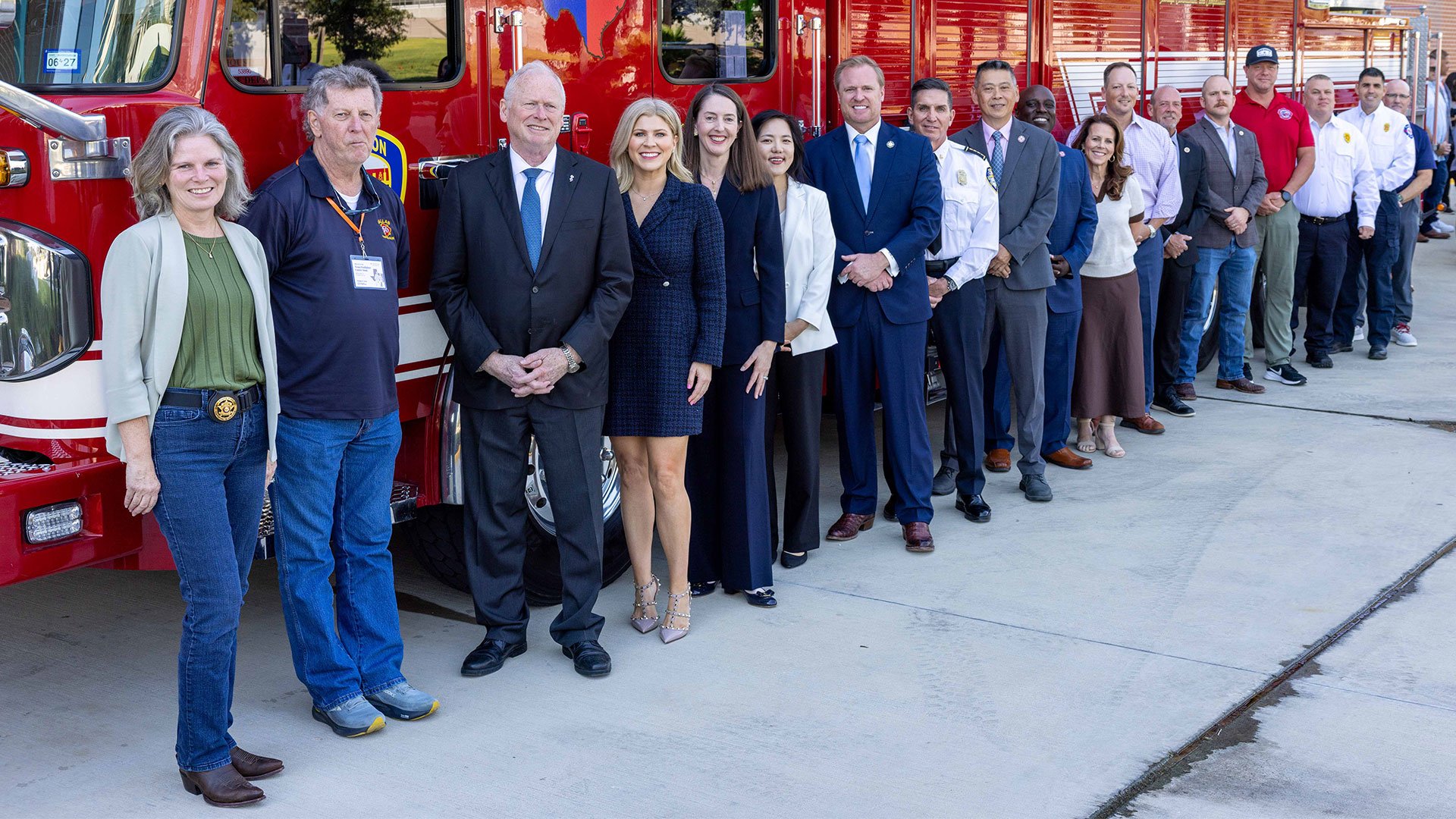
That mission was at the heart of the Texas Firefighter Cancer Study Research Symposium Oct. 8, held one year after the launch of the state-funded initiative. The event brought together firefighters from across Texas, state representatives, fire service leaders, researchers, and community advocates to share findings, testimonials, and perspectives on the occupational risks firefighters face.
Led by principal investigator Jooyeon Hwang, PhD, associate professor at UTHealth Houston School of Public Health, the $5 million study aims to better understand cancer risks among firefighters and advance strategies for prevention and early detection.
"Firefighters are routinely exposed to cancer-causing chemicals while battling fires, and the effects of those exposures can emerge long after the fire has ended," Hwang said.
The symposium also highlighted the broad collaborative effort, which includes researchers at the School of Public Health, Texas Department of State Health Services, Houston Fire Department, the Houston Professional Fire Fighters Association, the International Association of Fire Fighters, Texas Commission on Fire Protection, Texas Fire Chiefs Association, Texas State Association of Fire Fighters, State Fire Marshal's Office, and more than 13 fire departments and local associations across the state.
"Sharing insights with leaders and study participants is key to a study of this magnitude. Each story and every sample collected helps our research team find preventative strategies," Hwang said.
Lacey Hull, District 138 state representative; Houston Mayor John Whitmire; and Melina R. Kibbe, MD, president of UTHealth Houston and Alkek-Williams Distinguished Chair, spoke at the symposium, highlighting the importance of collaboration among public health leaders and policymakers for this foundational study.
“Firefighters put their lives on the line for our communities. We owe it to them to put our research to work for their health. That's what the Texas Firefighter Cancer Study is about: bringing science and firsthand experience together to better understand the risks they face and find ways to reduce them,” Kibbe said. “When we work together, we can turn research into real progress for the people who protect us every day.”
They were joined on stage by Texas Land Commissioner Dawn Buckingham and state Reps. Ana Hernandez, Jared Patterson, and Lauren Ashley Simmons, as well as UTHealth Houston School of Public Health Dean Eric Boerwinkle, PhD, and leaders of the fire unions and associations.
The presentations also featured leaders who understand the occupational risks firsthand. Patrick “Marty” Lancton, president of the Houston Professional Fire Fighters Association-IAFF Local 341; John Riddle, president of the Texas State Association of Fire Fighters; Dan Whu, MD, chief medical officer of the International Association of Fire Fighters; and chief Thomas Muñoz of the Houston Fire Department shared their efforts to help firefighters live longer, healthier lives.
The symposium also highlighted published research and the importance of that work through personal stories from study supporters.
Vicki McKenzie, a firefighter spouse and advocate, spoke about the loss that continues to motivate her efforts to prevent other families from experiencing similar pain.
"Behind every study that you do, behind every effort to improve prevention and the screenings that the firefighters are getting, there is a family hoping for more time together with their firefighter," McKenzie said.
McKenzie, who lost her husband, firefighter Corby Michael McKenzie, in early 2024, shared that she had promised Corby she would do whatever she could to help protect other firefighters and their families.
"My hope is that your work will mean more to firefighters coming home, more families sharing milestones, and fewer spouses standing where I stand today," McKenzie said.
Firefighter cancer survivor Joe Schumacher reinforced the importance of early detection, drawing on his experience with three separate cancer diagnoses. All three cancers were detected at Stage 1, and early detection helped save his life.
"I'm here to tell you, you want to know, and you want to know early," Schumacher said, encouraging firefighters to pursue available screenings and follow their physicians' recommendations. "Your health is a gift," he shared with fellow fire service members.
His experience highlighted the critical need for prevention and detection. Research such as this can help identify risks and support targeted care, giving firefighters a better chance of addressing health concerns before they progress.
As the Texas Firefighter Cancer Study enters its second year, researchers will continue working with firefighters and their communities to understand occupational exposures and advance prevention efforts. Behind every specimen collected, behind each exposure measured, and behind every research publication is a firefighter's story.