UTH

2025 Impact Report

Reflecting Upon 2025 to Remain Rooted
and Grow in 2026:

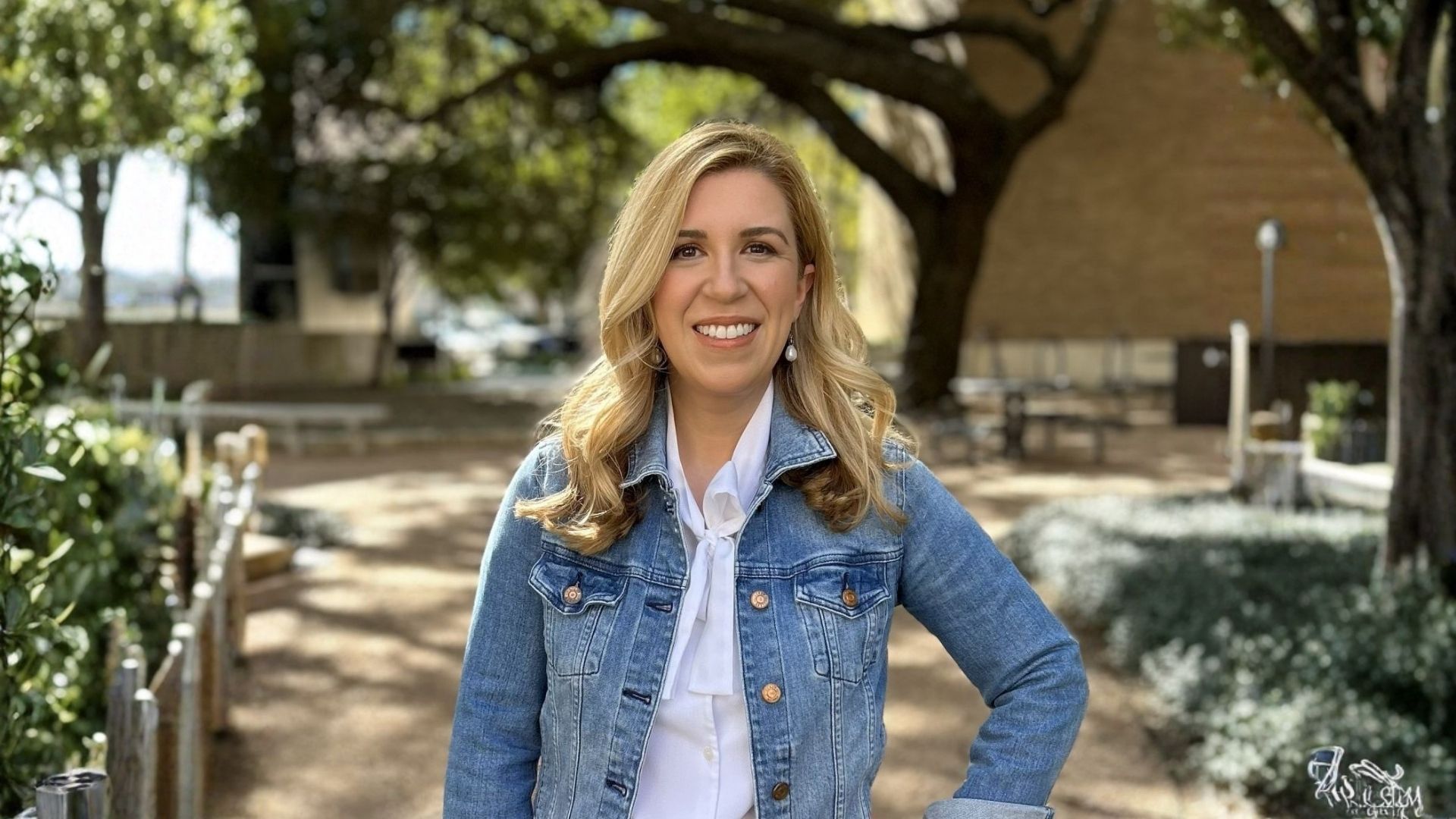
Portrait of Shreela Sharma

2025 certainly felt more like a minute than a year. The past year brought rapid, unprecedented policy shifts that, while undoubtedly have been challenging to navigate, have also sparked innovation, collaboration, and new opportunities for our Center and partners. Looking into your rearview mirror to reflect on learnings is important as we step into 2026, so this newsletter is us sharing our reflections and learnings with you so we can move forward together.

In 2025, I am proud to say that, as a team, we secured 11 new grants and contracts, published 41 papers, convened 8 community advisory group meetings, 18 key Food Is Medicine policy and practice stakeholder meetings, and supported over 20 students and trainees across projects. We have 13 active Food Is Medicine (FIM) research projects led by Center faculty and staff in partnership with several academic, healthcare, and community organizations. We also conducted a statewide FIM landscape scan to give all of us sightlines for the first time on the 48 FIM programs being implemented across Texas. Our Center faculty secured grants in new areas of healthy aging, including understanding predictors of dementia in older adults and designing community-based interventions to improve cognitive health among at-risk older adults.

2025 also brought important momentum to our Center’s efforts in Texas health policy. In the 89th TX legislative session, Texas passed two landmark bills: HB 26, enabling reimbursement for nutrition-related services, and SB 25, mandating nutrition education in medical school curricula, among many other things. Our team partnered with Harvard Law School’s Center for Health Law and Policy Innovation and other statewide leaders to drive evidence-informed policy decision-making. As some of these bills have now passed and been signed into law, we will continue to work with our partners in 2026 to support policy implementation efforts across the state.

The new year also brings a rebrand for the Health Equity Collective, our systems coalition, starting with a new name, Coalition for Connected Care, along with the successful launch of the Community Assistance & Referral Exchange (CARE) Network technology solution supporting closed-loop referrals between healthcare and community organizations. Continue below to read more about all these exciting developments in our newsletter.

As a final reflection, 2025 reminded me of our values, the power of collective impact, and the strength in coming together with and for our communities. For 2026, we remain rooted to grow stronger in our commitment and vision to build healthy people across flourishing communities, and we look forward to creating a shared agenda in partnership with you.


To a bright and healthy New Year,

Shreela Sharma, PhD, RDN, LD

Director, Center for Health Equity

Food Is Medicine by the Numbersthe year in review icon

Participants Served

Food Is Medicine Projects since 2023

Healthcare Partners

Community-Based Organizations

FIM Vendors

Center for Health Equity Publications
Throughout 2025, our Center for Health Equity faculty and staff published 41 papers.
Cumulative burden of non-medical drivers of health and their associations with hospital utilization

This study examined how non-medical drivers of health (NMDOH), such as unmet social, economic, and housing needs, impact hospital use among vulnerable adults participating in a 2018 Medical-Legal Partnership pilot program.

Feasibility of the MIND+SOUL Culturally Tailored Brain Healthy Diet: A Pilot Study

The culturally tailored MIND + SOUL diet program for older Black adults was demonstrated to be highly feasible and acceptable and led to meaningful improvements in diet quality, BMI, and executive function, suggesting it may help reduce Alzheimer's disease risk.

Framework, development, and creation of a community advisory board...

A community-driven approach to creating a stakeholder advisory board for a Houston hospital-based violence intervention program proved highly effective, generating key program components and fostering trust, transparency, and cultural relevance that strengthened both immediate and long-term implementation.

Center for Health Equity Publications
Throughout 2025, our Center for Health Equity faculty and staff published 41 papers.

Cumulative burden of non-medical drivers of health and their associations with hospital utilization

This study examined how non-medical drivers of health (NMDOH), such as unmet social, economic, and housing needs, impact hospital use among vulnerable adults participating in a 2018 Medical-Legal Partnership pilot program.

Feasibility of the MIND+SOUL Culturally Tailored Brain Healthy Diet: A Pilot Study

The culturally tailored MIND + SOUL diet program for older Black adults was demonstrated to be highly feasible and acceptable and led to meaningful improvements in diet quality, BMI, and executive function, suggesting it may help reduce Alzheimer's disease risk.

Framework, development, and creation of a community advisory board...

A community-driven approach to creating a stakeholder advisory board for a Houston hospital-based violence intervention program proved highly effective, generating key program components and fostering trust, transparency, and cultural relevance that strengthened both immediate and long-term implementation.

Highlighted Collaborations

Cccheader2.png

Coalition for Connected Care (formerly known as the Health Equity Collective)

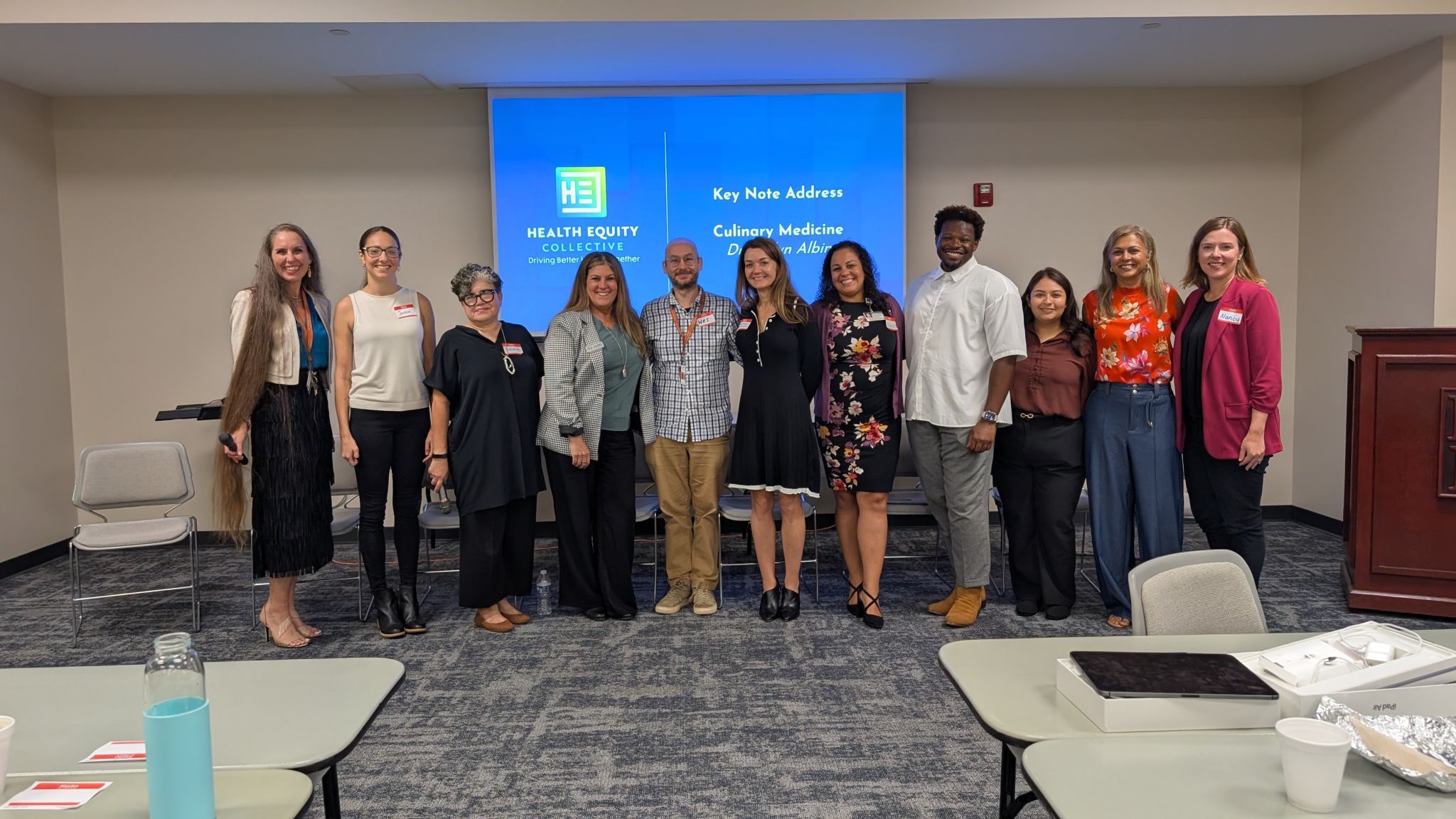
The Health Equity Collective has rebranded, starting with a new name: The Coalition for Connected Care. This systems coalition represents the continued commitment of over 375 organizations to collectively drive better health together for our communities. The Center for Health Equity continues to serve as the backbone organization for the Coalition for Connected Care.

Coalition for Connected Care

Engagement

  • 10 Virtual Networking Sessions
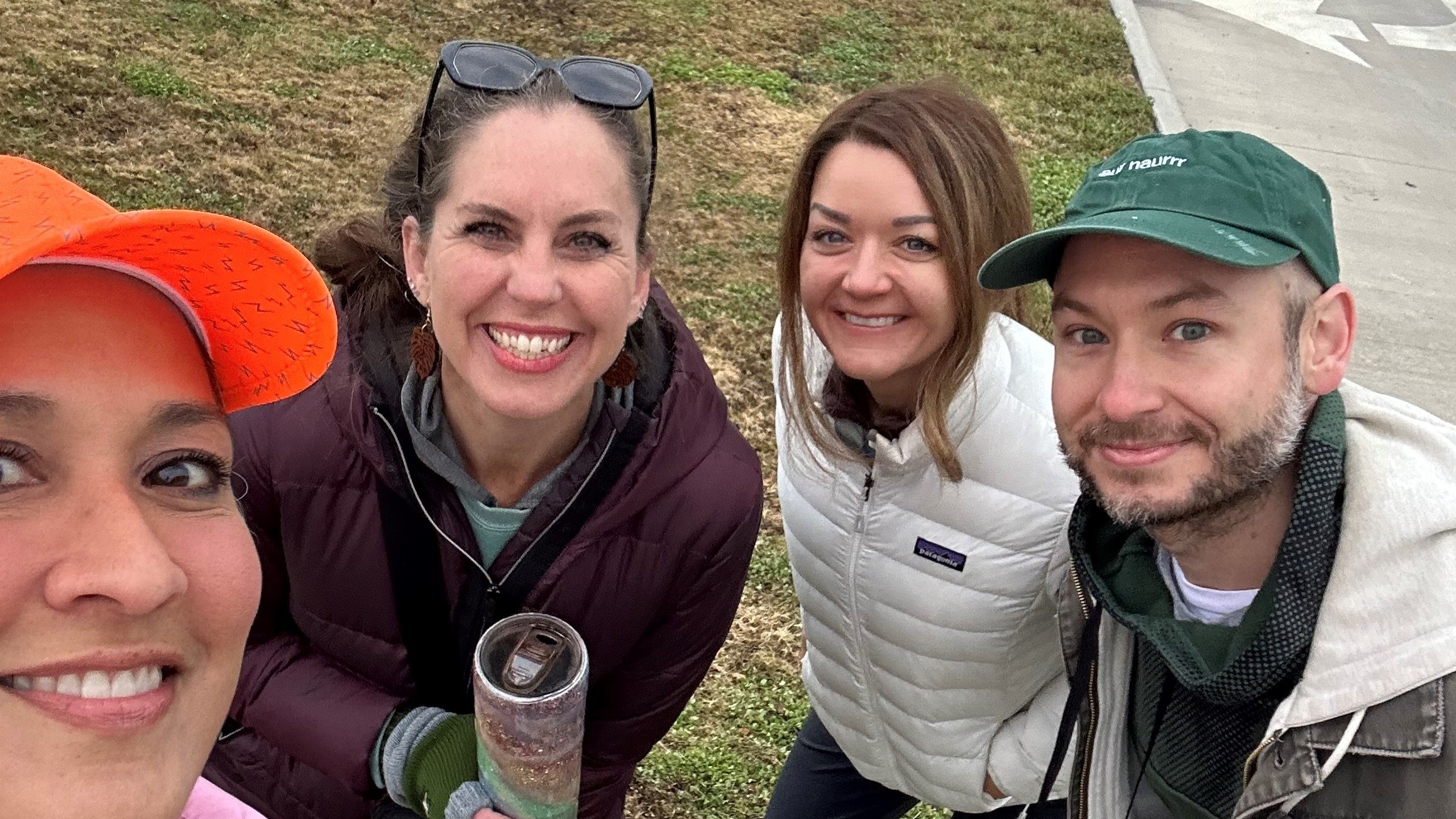
  • 3 Community Walks
  • 45 Policy Meetings during the 89th Texas Legislature

Membership

  • 377 Coalition for Connected Care Individual Members
  • 1455 Coalition for Connected Care Organization Members

LinkedIn Metrics


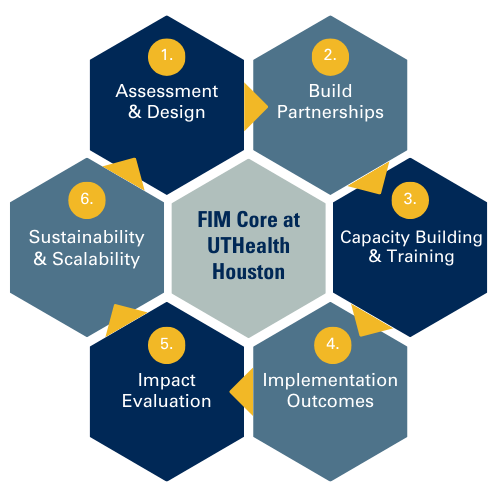
Food is Medicine Core at the Center for Health Equity

FIM Core Hexagon Chart


The Food is Medicine Core at the Center for Health Equity is actively designing and implementing 13 FIM studies across pediatric, diabetic, and high-risk pregnant populations.

Our FIM Core provides expertise and support in design, implementation, evaluation,  institutionalization, and scaling of FIM efforts. Our team of registered dietitians, behavior scientists, epidemiologists, and data scientists uses a data-driven, human-centered design to ensure an equitable approach to FIM.

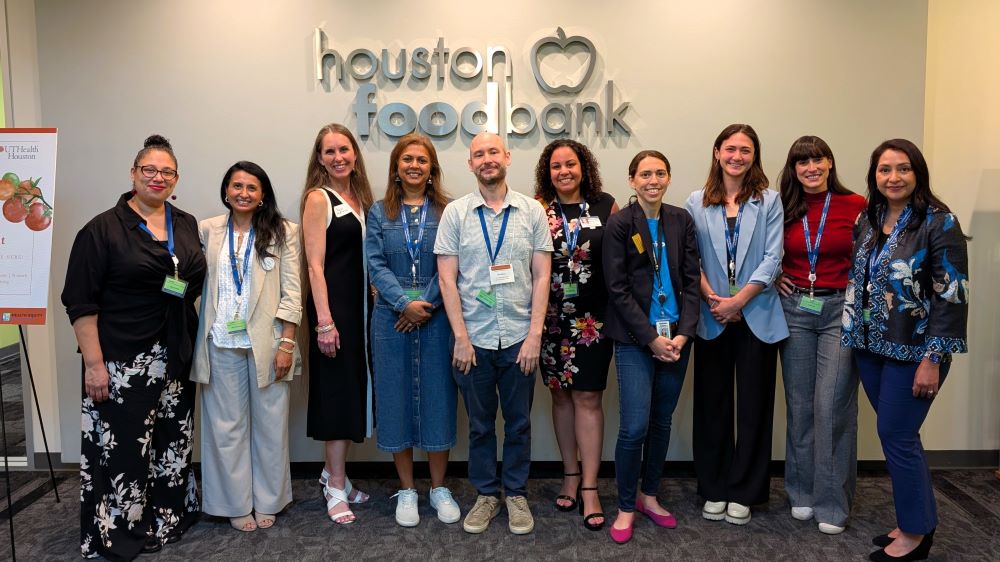
Collaborating with health systems,  payers, community-based organizations, and FIM providers, the Center brings together partnerships, community, and stakeholders to build momentum for sustainable FIM programming across Texas.

Turning Visual Insights into Action

Using Power BI and ArcGIS Pro, the Center for Health Equity brings FIM data to life through interactive charts, dashboards, and statewide maps.

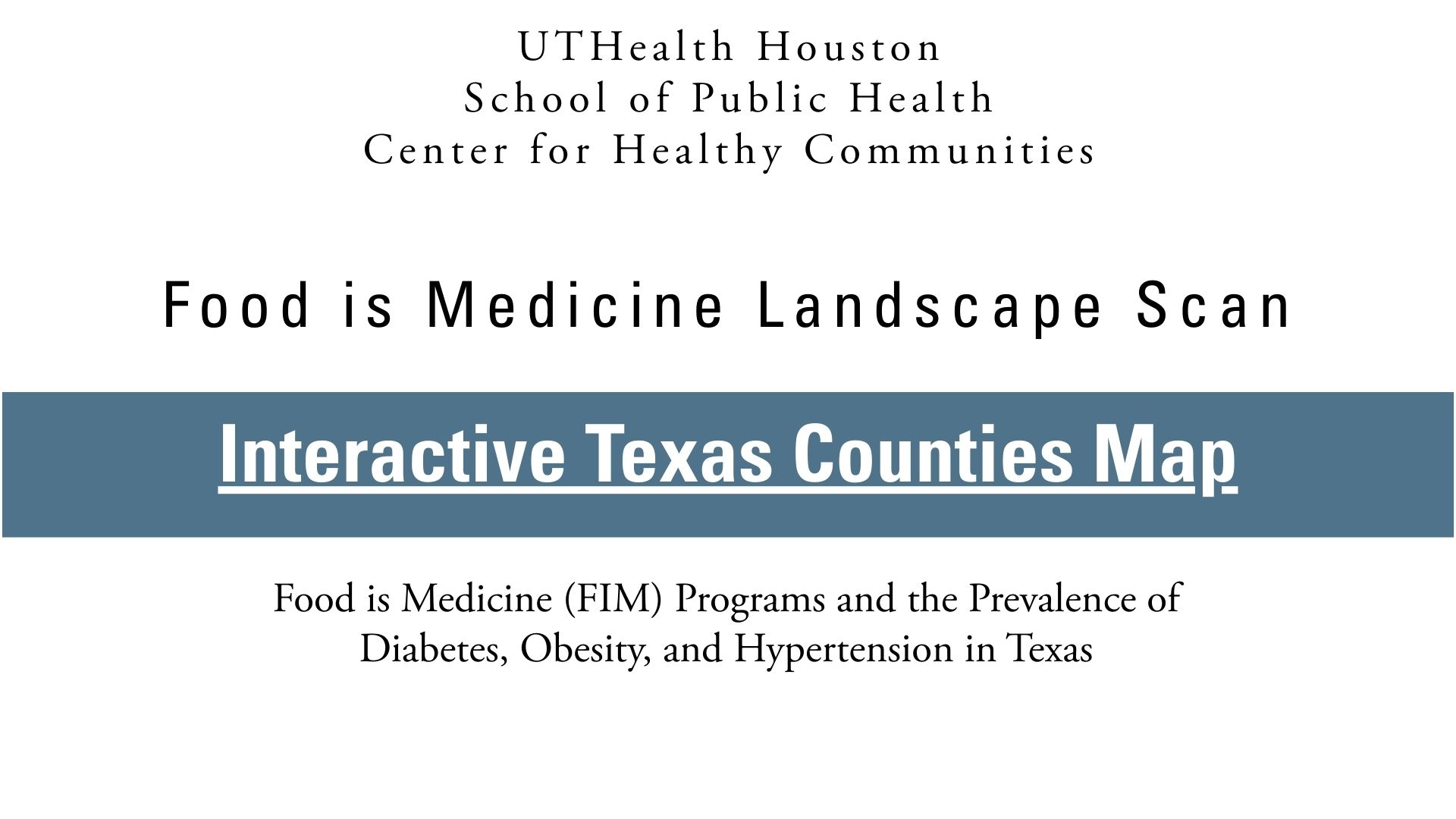
FIM Landscape Scan Thumbnail

Learn more about our Data Visualization Services

FIM Landscape Scan

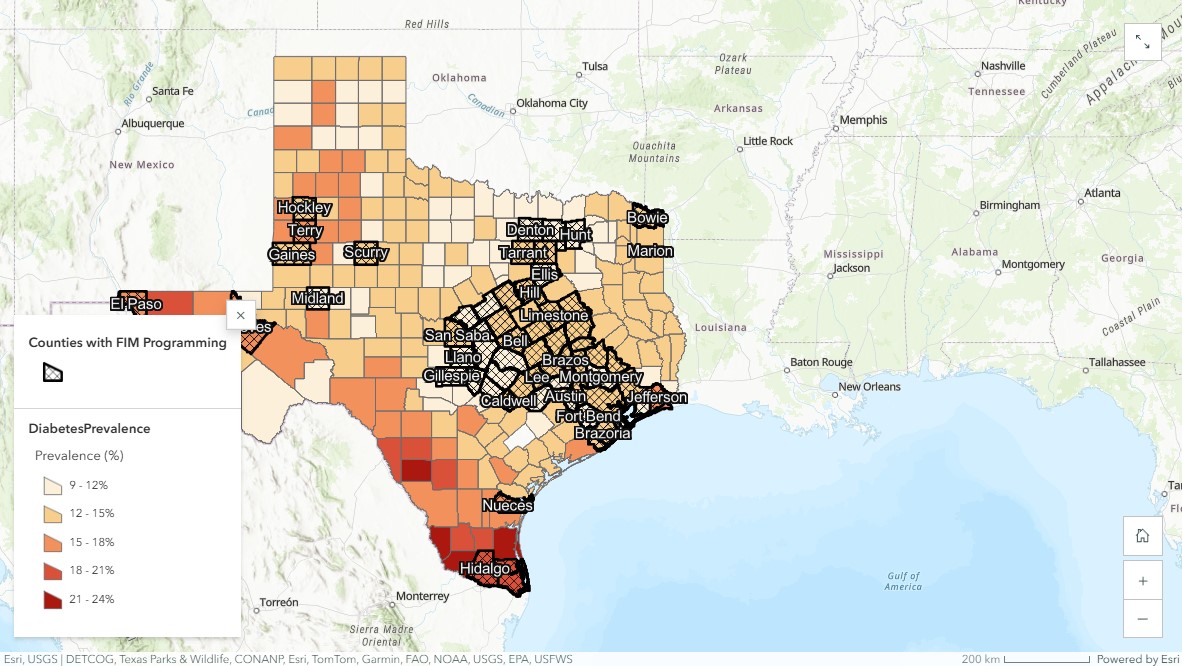
In collaboration with our FIM Advisory Board, we conducted a statewide FIM landscape scan to provide us with sightlines into the 48 FIM programs being implemented across Texas.

FIM Landscape Scan Map

Explore the results of the Landscape Scan

 Our landscape scan is an ongoing living project that will continue to collect data on FIM implementation across Texas. To share about your FIM project, take the survey here. If you would like to learn more, please reach out to Naomi Tice at [email protected].


Center for Health Equity on LinkedIn

Follow us on LinkedIn to connect with us about information, events, and more!

CHEatAPHA.jpg
cheatapha2.jpg
cheatapha6.jpg

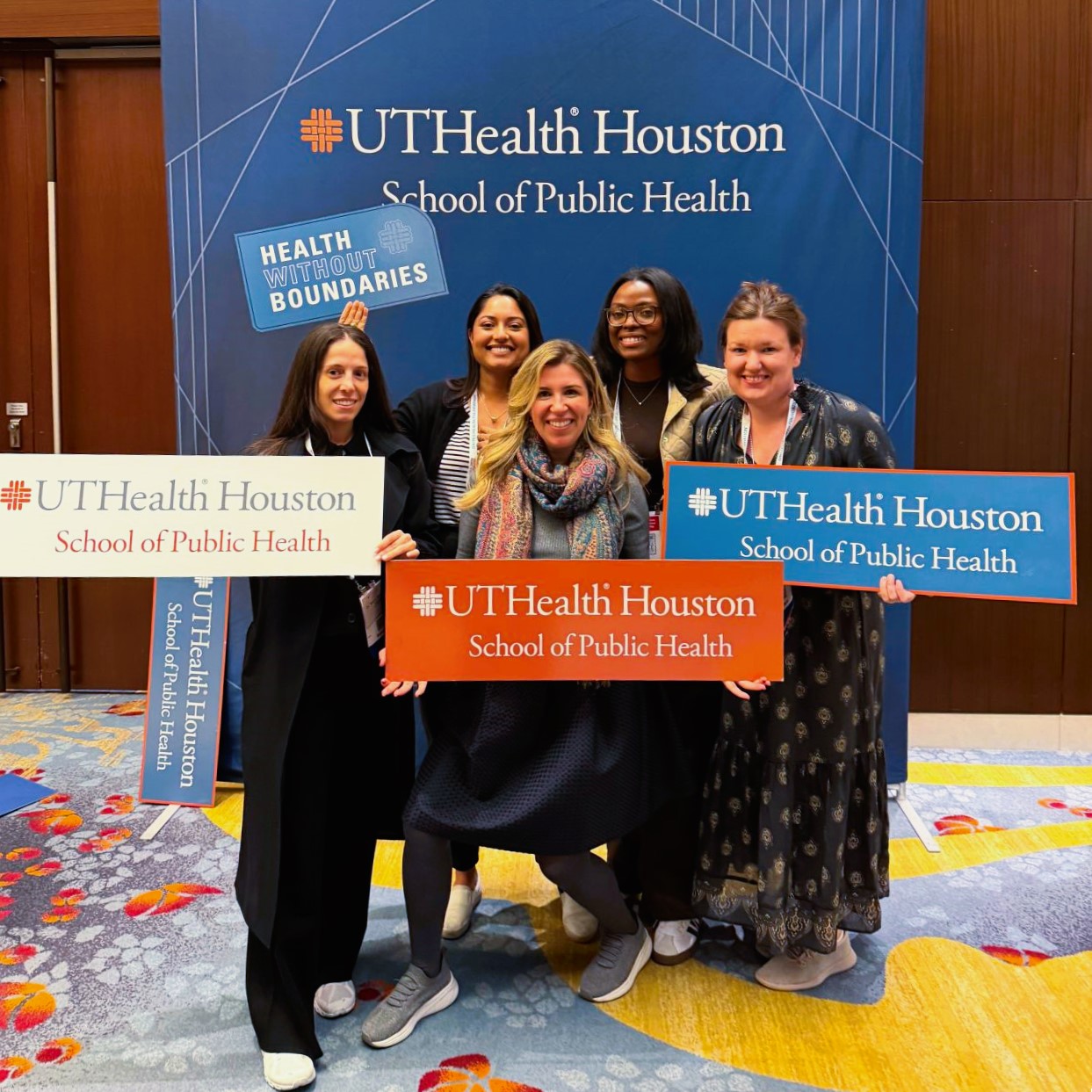
CHE at APHA

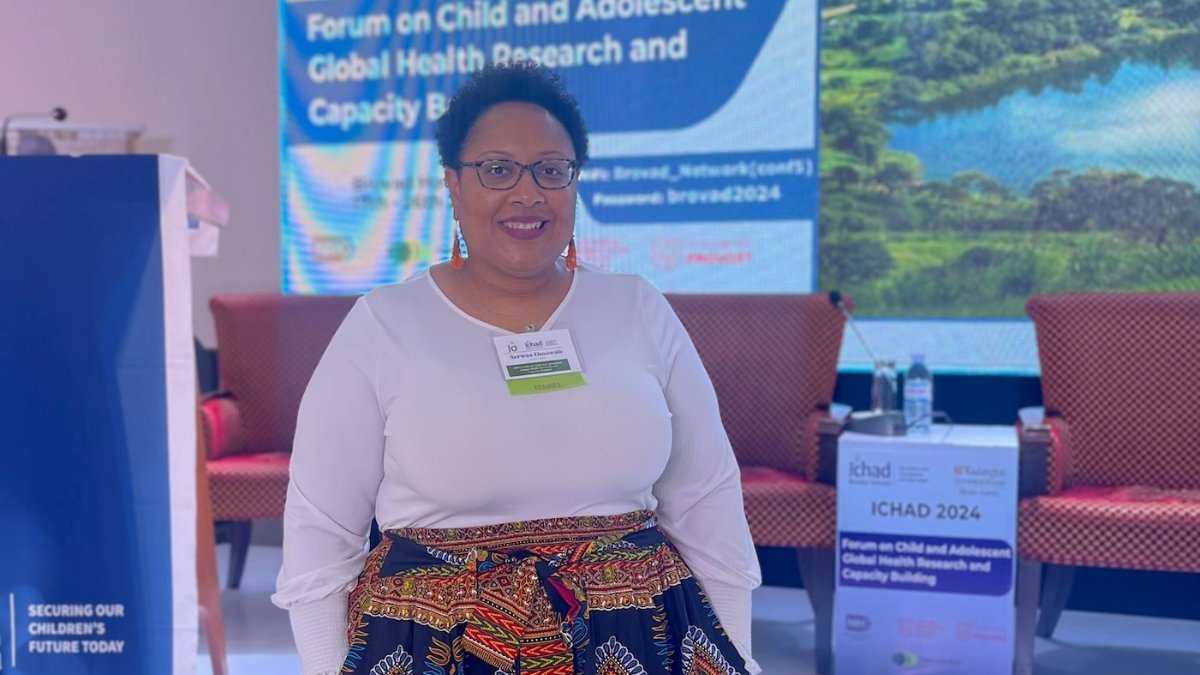
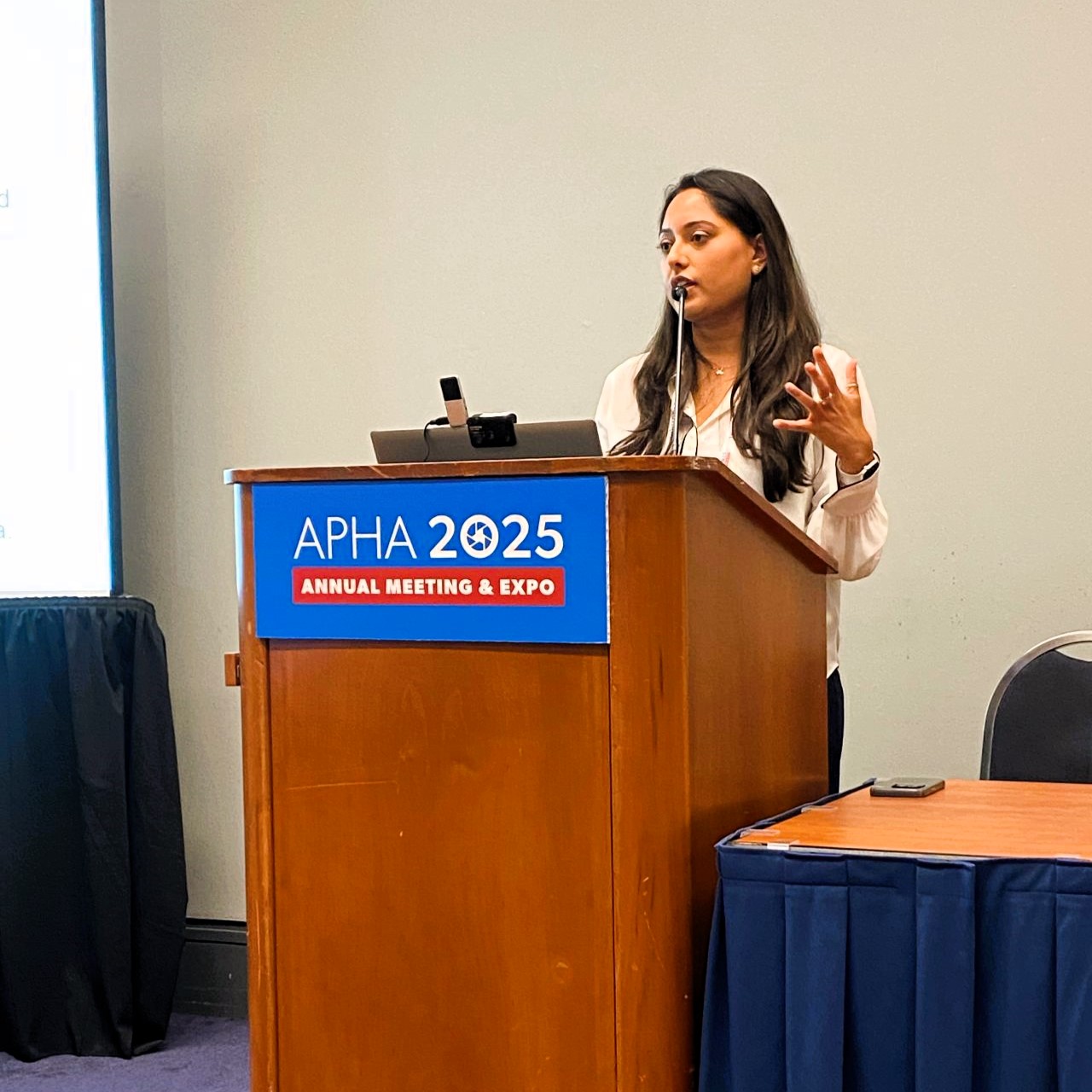
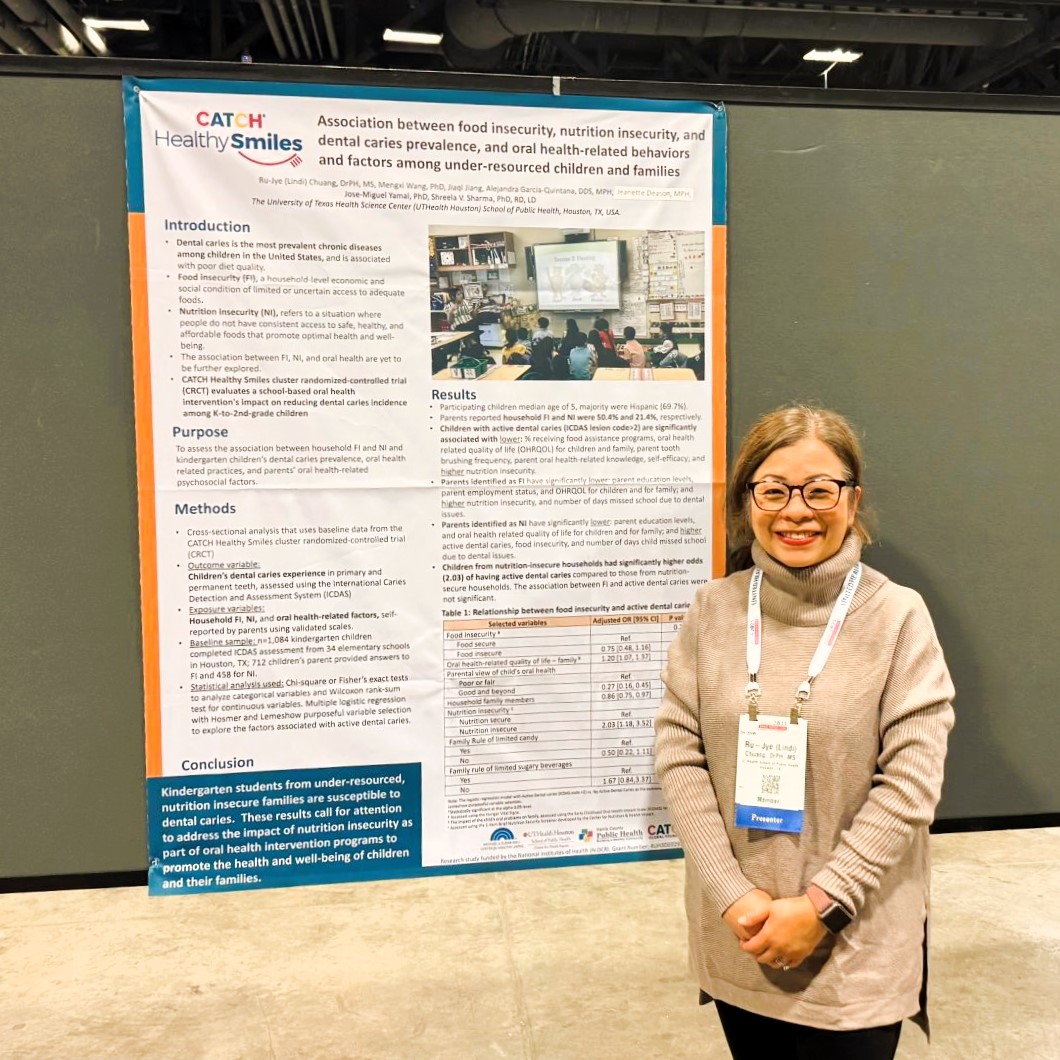
We're proud to celebrate our team’s contributions at the 2025 American Public Health Association Annual Meeting in Washington, D.C.!

Center for Health Equity Student Engagement

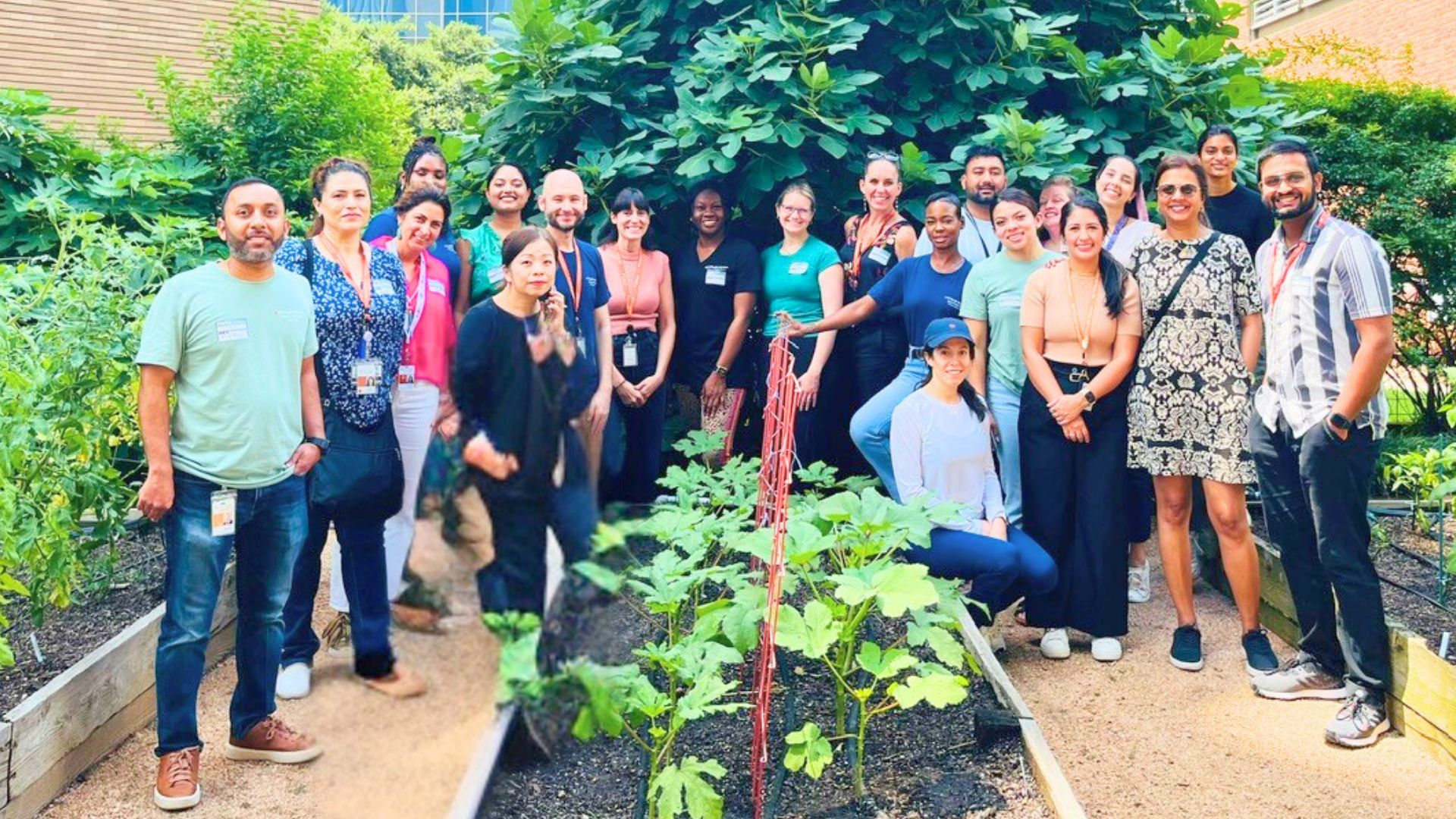
Students are a core component of the work at the Center for Health Equity. In 2025, the Center hosted 1 undergraduate student, and our Center faculty mentored 41 PhD students and 40 MPH Students.

CHE Summer 2025 Fellowship

Katherine Joseph, MPH, and Najha Black, MPH

CHE Marks Second Year of the Summer Intensive Fellowship Experience

Read the full story

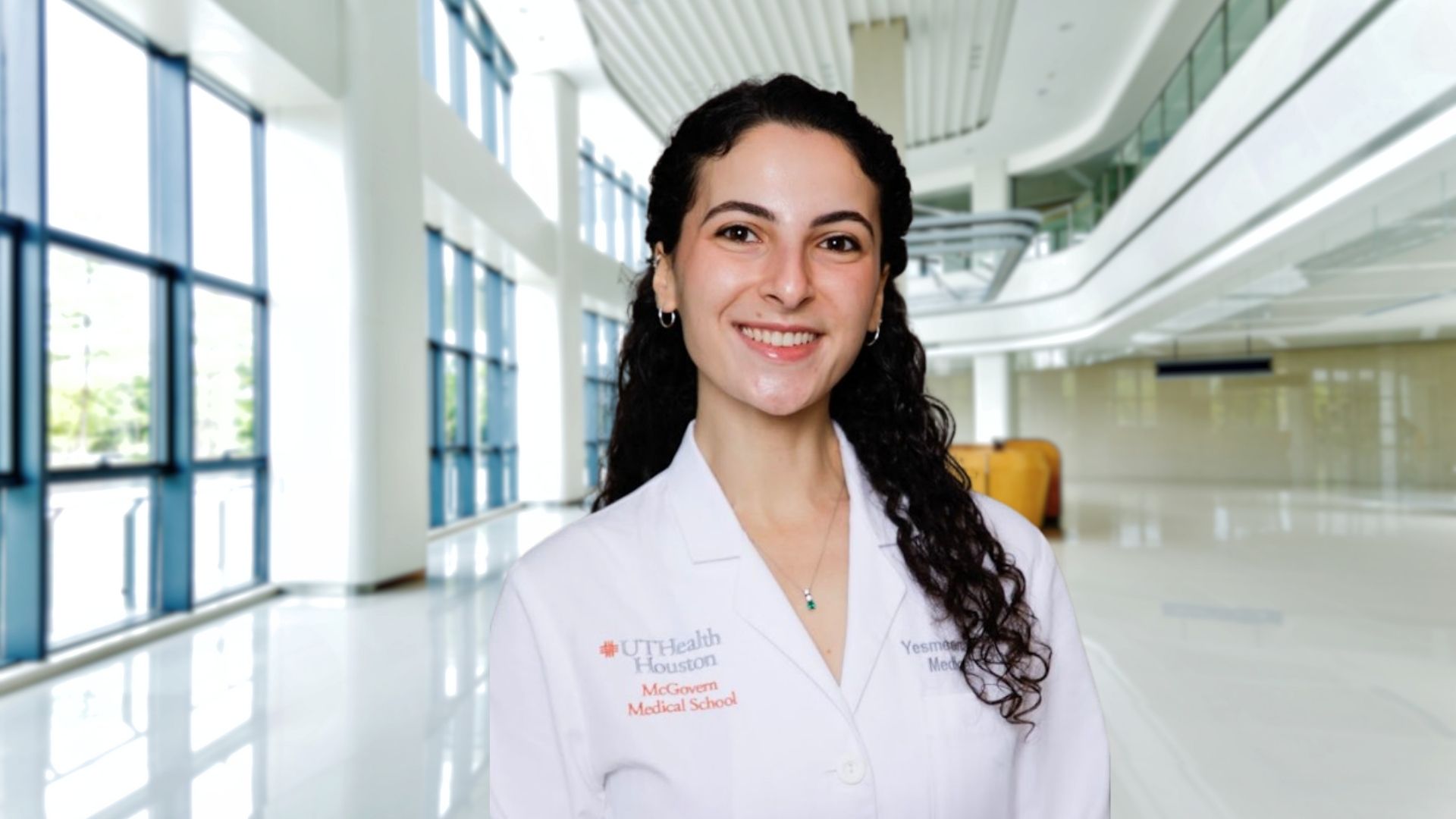
Yesmeena.jpg

Yesmeena Shmaitelly, BS

Learning Medicine Beyond the Clinic Through Food Is Medicine Research

Read the full story

LNavarro.jpg

Lorena Navarro, MSc

Highlighting Student Excellence: Lorena Macías Navarro, MSc

Read the full story

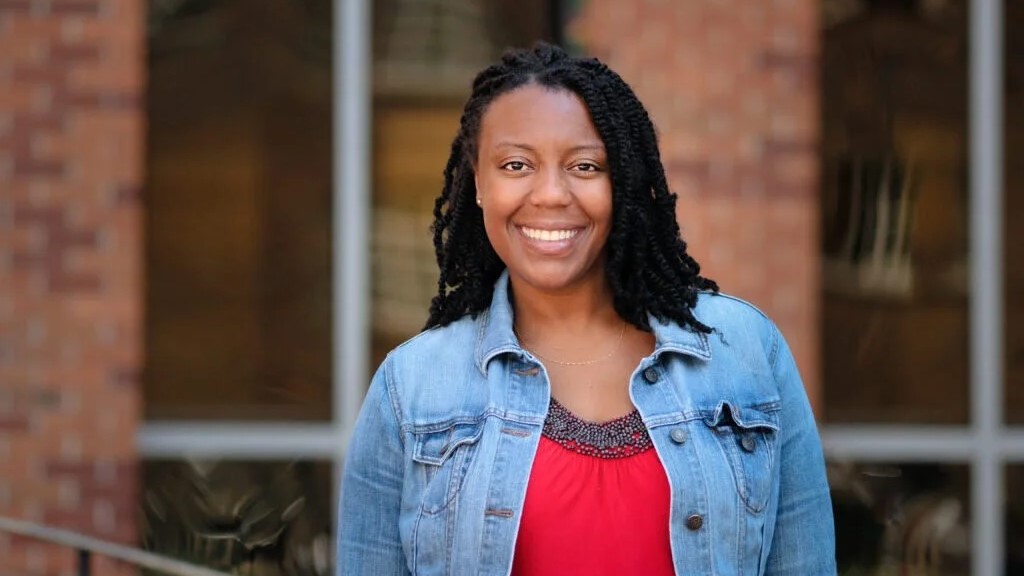
Kiana Bess, PhD

LinkedIn Spotlight on Postdoctoral Fellow Kiana Bess, PhD

Read the full story


From Our Partners

The Center for Health Equity is collaborating closely with About Fresh and Community Health Choice to implement a Food Is Medicine program for high-risk pregnant moms who are members of Community Health Choice, using the About Fresh Fresh Connect card to provide $100/month in fresh fruits and vegetables. The study aims to determine if increased access to fruits and vegetables leads to improved pregnancy and birth outcomes.

About Fresh – Adam Shyevitch

About Fresh

“Working with Shreela, Naomi, and the team at the Center for Health Equity has been a powerful experience. They’ve brought an experienced, analytic approach to our collaboration that has strengthened our partnership with Community Health Choice and their patients and promises to inform the Food Is Medicine field with compelling learnings.”

Adam Shyevitch — Chief Program Officer, About Fresh


Community Health Choice – Joshua Fernelius

Community Health Choice

“Collaborating with the Center for Health Equity and About Fresh has enabled Community Health Choice to provide a lifeline to our most vulnerable members. Together we are empowering families to overcome food insecurity and improve maternal outcomes through an evidenced-based approach that integrates seamlessly with their lives”.

Joshua Fernelius — Director, Population Health at Community Health Choice


Center for Health Equity Events

The Center for Health Equity hosted a variety of events across 2025. If you're interested in co-hosting an event with us in 2026 or beyond that aligns with our mission and vision, we'd love to hear from you! Reach out to Naomi Tice

LOADING...
LOADING...