
Advancing Cancer Prevention Through Epidemiology
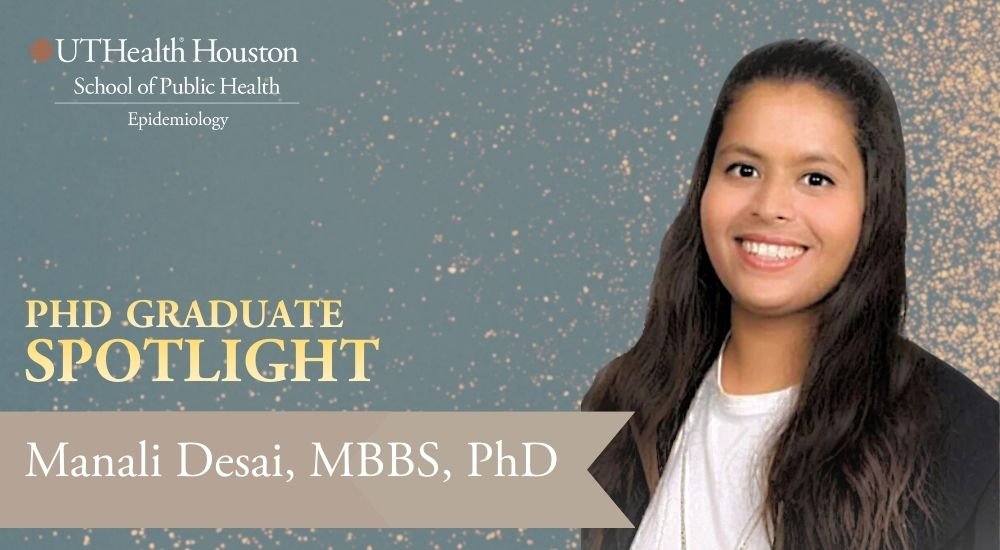
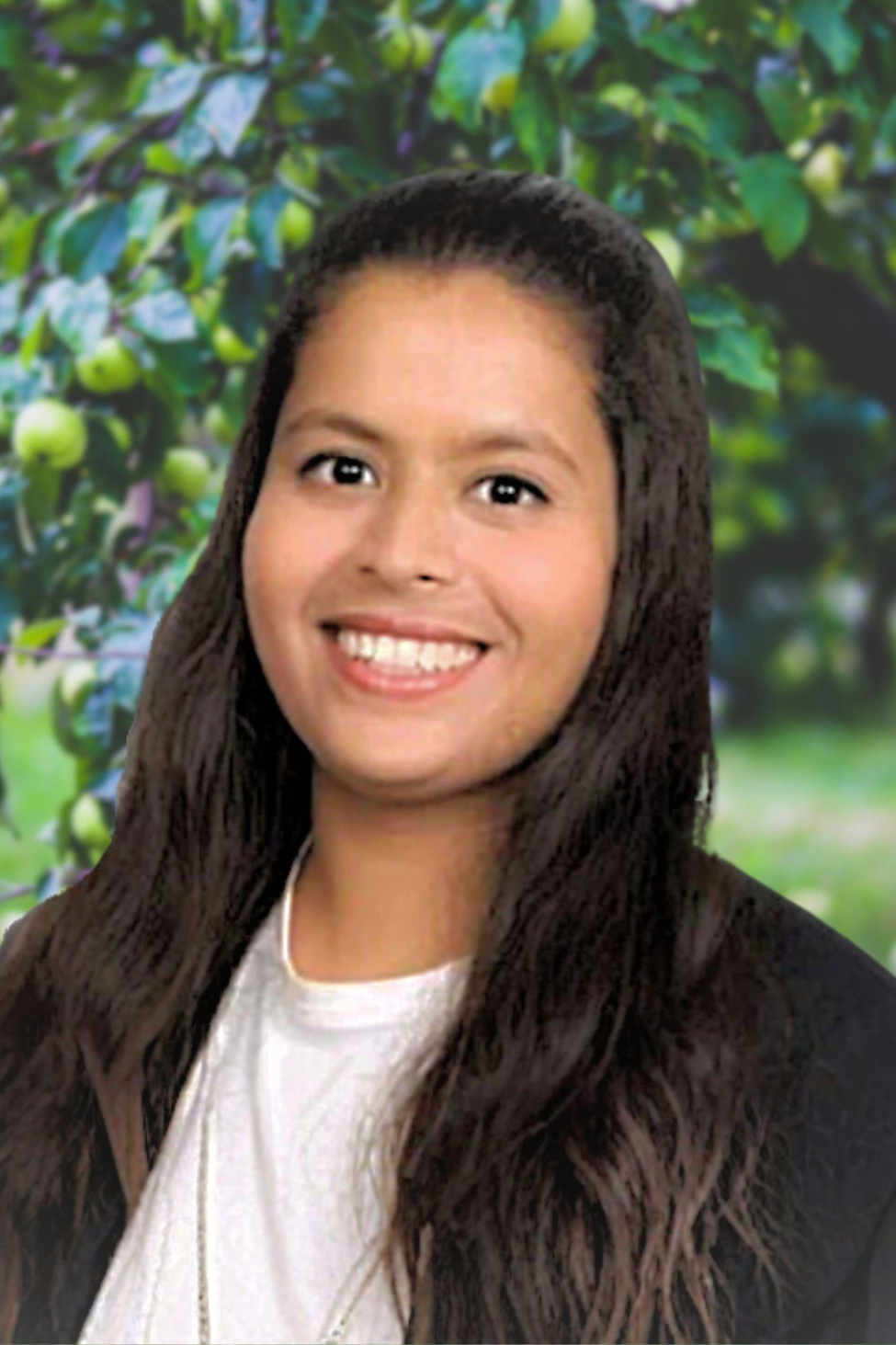
Manali Desai, MBBS, MPH, recently earned her PhD in Epidemiology from UTHealth Houston School of Public Health, marking a milestone in a career dedicated to advancing population health. Born and raised in Mumbai, India, Manali's interest in public health began early. A high school visit to an industrial water harvesting system sparked her curiosity about how large-scale interventions can improve community well-being. This interest deepened during her medical school studies, where she explored preventive medicine and witnessed firsthand the impact of public health programs in both rural and urban communities.
Her experiences ranged from tuberculosis screenings in urban slums to observing maternal and child health outreach in rural areas. These encounters revealed the critical role of public health systems and inspired her to look beyond individual patient care toward addressing health disparities at the population level. "Epidemiology allows me to blend scientific inquiry with meaningful health impact," she explains.
After completing her MBBS and practicing as a medical officer in India, Manali pursued an MPH in Epidemiology at Texas A&M University in 2019. The onset of the COVID-19 pandemic during her MPH studies reinforced her commitment to public health and data-driven solutions. In 2021, she began her doctoral program at UTHealth Houston School of Public Health, drawn by the university's strong reputation in cancer prevention research and its location in the world's largest medical center.
Throughout her doctoral journey, Manali focused on HPV vaccination practices among healthcare providers in Texas, collaborating with UT MD Anderson Cancer Center under the guidance of Professor Sanjay Shete, PhD. Her research explored provider awareness, barriers, and communication challenges related to HPV vaccination, aiming to inform strategies that increase vaccine uptake and reduce cancer disparities. She also served as a teaching assistant for Epidemiology Assistant Professor Chloé Sarnowski, PhD, in the course "Quantitative Analysis for Public Health Research and Practice," which strengthened her analytical skills and fueled her confidence in applying advanced statistical methods to real-world problems.
Manali credits her advisor, Epidemiology Professor Shreela Sharma, PhD, for invaluable guidance throughout her doctoral training. “Our evaluation meetings were especially helpful, where she consistently encouraged me to think critically, refine my ideas, and explore new research directions,” Manali says. Sharma’s support played a significant role in her academic and professional growth. Additionally, Epidemiology Professor Charles Darkoh, PhD, and Biostatistics Professor Wenyaw Chan, PhD, served on her dissertation committee, offering insightful comments that strengthened her research.
Looking ahead, Manali plans to build a career in cancer prevention research, with an emphasis on HPV-related cancers and vaccine-preventable diseases. She hopes to lead independent projects that bridge clinical practice and public health, translating epidemiologic findings into actionable strategies for improving cancer prevention programs. "My goal is to develop interventions that strengthen provider-patient communication and address barriers among underserved populations," she says.
Manali's journey reflects a deep commitment to evidence-based solutions and health equity that began in Mumbai and continues to shape her work in Houston and beyond.