
UTHealth Houston awarded $25 million to expand recovery housing for Texans recovering from opioid use disorder
Researchers with UTHealth Houston have been awarded $25 million by the Texas Opioid Abatement Fund Council to expand and enhance recovery housing resources across Texas for those recovering from opioid use disorder. The grant aims to strengthen recovery support systems and help individuals transition toward independent living while maintaining long-term recovery.
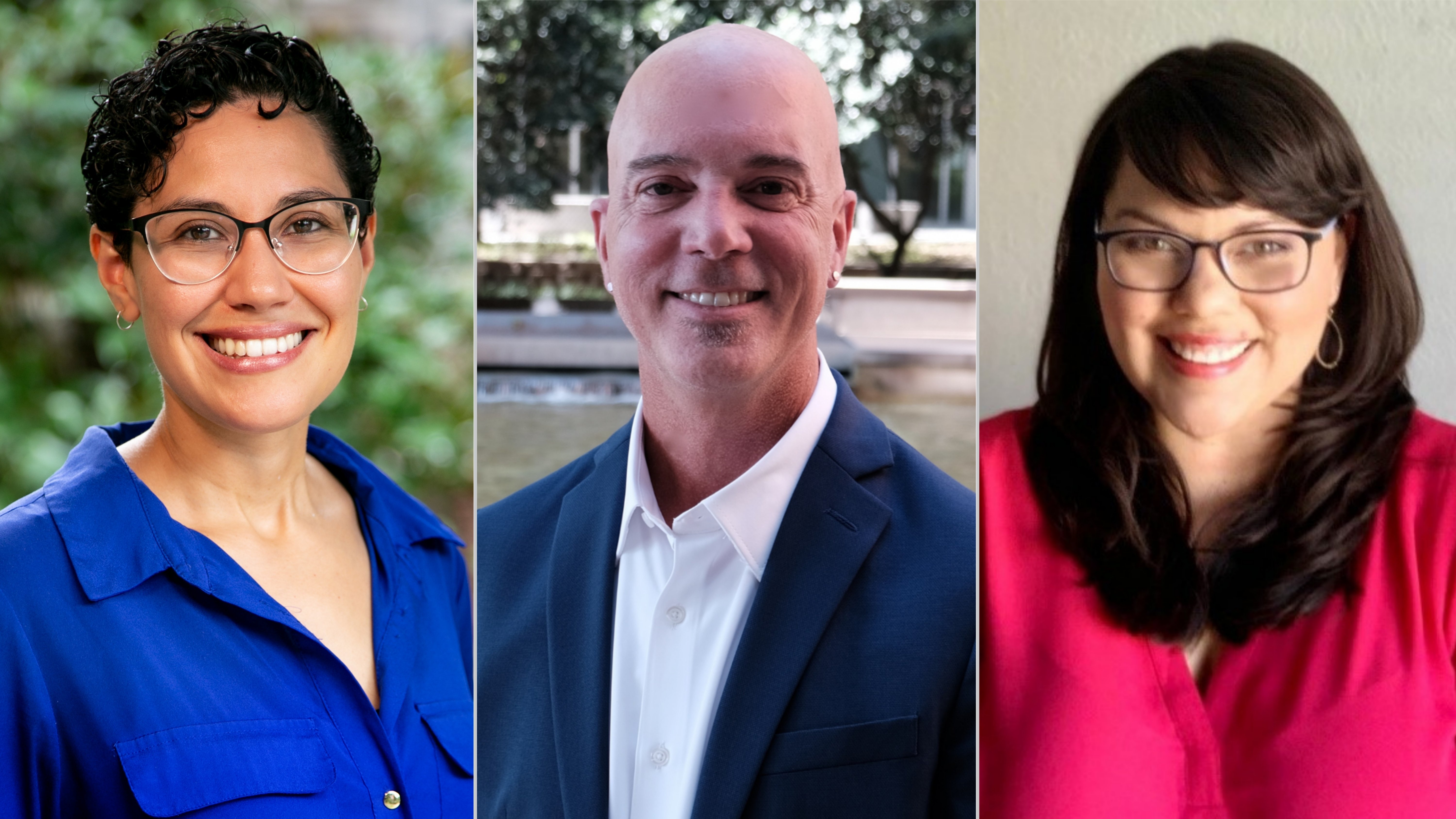
From the Department of Health Promotion and Behavioral Sciences at UTHealth Houston School of Public Health, J. Michael Wilkerson, PhD, MPH, associate professor; Serena A. Rodriguez, PhD, MPH, assistant professor; and Kathryn R. Gallardo, PhD, assistant professor, will lead the project titled Housing Expansion for Access to Recovery for Texans (HEART).
“We are excited to partner with community organizations across Texas and with the Texas Opioid Abatement Fund Council to build a recovery housing system that is responsive and ready to meet the needs of Texans,” Wilkerson said.
Opioid use disorder remains a major public health crisis across the United States, claiming tens of thousands of lives each year and impacting families and communities nationwide. In Texas, the need for effective recovery support is urgent as the state works to combat rising overdose rates and help individuals achieve long-term recovery.
“The successful implementation of HEART’s objectives will transform the landscape of recovery housing across Texas by increasing the quantity and availability of level II and III recovery residences, often called sober living homes,” Gallardo said. “All residences will be supportive of people taking medications for an opioid use disorder.”
Wilkerson, Rodriguez, and Gallardo, along with Sheryl McCurdy, PhD, professor in the Department of Health Promotion and Behavioral Sciences at the School of Public Health, also lead the project CoLab: Community, Connection, and Collaboration. At CoLab, a research team engages with the community through education, training, program development, and service to improve the lives of those facing substance use and mental health challenges.
“By expanding recovery housing across Texas, we are investing in solutions that save lives, strengthen communities, and give people the support they need to achieve lasting recovery from opioid use disorder,” said Kelly Hancock, acting chair of the Texas Opioid Abatement Fund Council.
The award will fund efforts for three years with the ability to extend for two additional years.