About the Center for Place-Based Research
The Center for Place-Based Research (CPBR) at UTHealth Houston School of Public Health brings public health research and interventions into the places and moments that matter most in people's lives.
We take a broad view of place based research. Place is more than a neighborhood or geographic boundary. It includes the communities where people live, but also the everyday places where life happens. It includes where people do their laundry, buy groceries, worship, work, seek care, recover, and sleep. CPBR brings research and interventions into these places, working alongside the people and organizations already there.
CPBR brings together researchers who work with communities, organizations, and populations across a range of settings and health challenges. Our work spans neighborhoods and everyday settings where public health challenges and opportunities unfold with a focus on generating research that is meaningful and useful in the real world.
We work with communities, not just in communities.
Authentic partnerships are central to how we do our work. We build relationships with community members, organizations, service providers, healthcare systems, government agencies, and other partners to identify meaningful questions and develop research approaches that are relevant to the people and settings involved.
Our goal is not simply to bring research into a community. It is to develop research with the people and organizations who know that place best.
Our Approach
Right Place
Where can we reach people most effectively?
We bring research and interventions into the places where people already live their lives — rather than expecting people to come to us.
Right Time
When can an intervention make the greatest difference?
We identify moments when people may be particularly receptive to support or may have an important opportunity for intervention, such as during a healthcare encounter, a transition in housing, or another moment of change.
Right Dosage
How much intervention is needed?
Sometimes a light-touch intervention is enough. Other times people need more intensive support. We study how to match the intensity and duration of an intervention to people's needs while developing approaches that can reach more people and work in real-world settings.
What makes our approach different?
We combine rigorous public health research with deep community engagement and real-world implementation
Our faculty bring expertise in intervention research, health services research, behavioral health, survey research, assessment, policy, implementation, evaluation, and economics. We use these methods to answer practical questions alongside the people and organizations closest to the problem.
Research should work in the real world. That's where we do it.
Projects
Public health research in the real world.
Our faculty conduct research across communities, settings, populations, and health challenges from neighborhood-based research to interventions delivered in healthcare systems, housing communities, laundromats, workplaces, and other everyday settings.
WHAT WE DO:
Active Projects
[Forthcoming]
WHERE WE WORK:
Our faculty conduct research at the community, state, national, and international levels.
People
Public health research is a team sport.
CPBR brings together faculty, students, staff, community members, and organizational partners with different experiences, expertise, and perspectives.
We have faculty who work across Texas and nationally, with the majority of faculty located in Houston and San Antonio.
Faculty
Forthcoming
Affiliated Community Members & Partners
[Coming Soon]
Data & Resources
The Center connects researchers, students, community organizations, and other partners with data and resources that can help answer questions about local communities and populations.
Data
- Local/community datasets
- Public datasets and data sources
- Administrative data resources
- Data dictionaries/documentation
- Other data resources relevant to place-based research
Research Tools
- Survey instruments
- Assessment tools
- Community needs-assessment resources
- Data collection resources
- Other tools developed by CPBR
Publications & Reports
[Forthcoming]
STUDENT OPPORTUNITIES
Want to do public health research outside the classroom?
CPBR students have opportunities to learn by working alongside faculty, community organizations, healthcare systems, and other partners on real-world public health questions.
Students may have opportunities to:
- Work on community-based research projects
- Conduct surveys and qualitative research
- Assist with data collection and analysis
- Participate in program evaluation
- Contribute to publications and presentations
- Complete practicum experiences
- Work as graduate research assistants
- Participate in fellowships and training opportunities
- Attend talks, workshops, and other Center activities
Become a Student Affiliate
Complete our brief Student Affiliate Interest Form to receive information about research opportunities, GRA positions, practica, fellowships, training, talks, and other student activities.
Interested in a GRA Opportunity?
Our faculty have revolving research positions available. Submit your CV through our GRA interest form for faculty to review when positions become available: https://go.uth.edu/CPBR_GRA
Work with Us
Bring us the question.
Have a research question, a program to evaluate, a population you want to better understand, or a grant opportunity you want to pursue?
We work with nonprofits, community organizations, government agencies, healthcare organizations, foundations, companies, and other partners to answer real-world public health questions.
You don't need to have the research design figured out before you contact us.
Bring us the question. We can help determine the approach.
We Can Partner On
Developing a Research Question
- Community needs assessments
- Community surveys
- Qualitative research
- Mixed-methods research
- Research with hard-to-reach and hard-to-retain populations
Evaluating Programs and Interventions
- Program evaluation
- Implementation research
- Observational studies
- Clinical trials
- Randomized controlled trials
- Systems and policy evaluation
Collecting and Understanding Data
- Survey design
- Primary data collection
- Ecological momentary assessment
- Biometric and physiological measures
- Community datasets
- Administrative data
- Healthcare claims
- Program data
- Longitudinal data
- Data linkage
- Complex real-world data
Have Messy Data?
We won't judge you.
Real-world data are rarely clean or straightforward.
We work with community, program, administrative, and healthcare data and can help determine what can be learned from the information you already have. We can also audit existing data and help determine what additional information may be needed to answer the questions that matter to you.
Have a Grant Opportunity?
Grant deadlines can move quickly. We can work with partners to develop a feasible research question, study design, data collection and analysis approach, evaluation plan, and budget within the available timeline.
Let's Talk.
For potential research partnerships, grant collaborations, evaluation services, data analysis, or other opportunities to work with CPBR, contact Co-Director Dr. Vanessa Schick.
Email: [email protected]
Please contact us to schedule a brief conversation about your research question, potential approach, and budget.
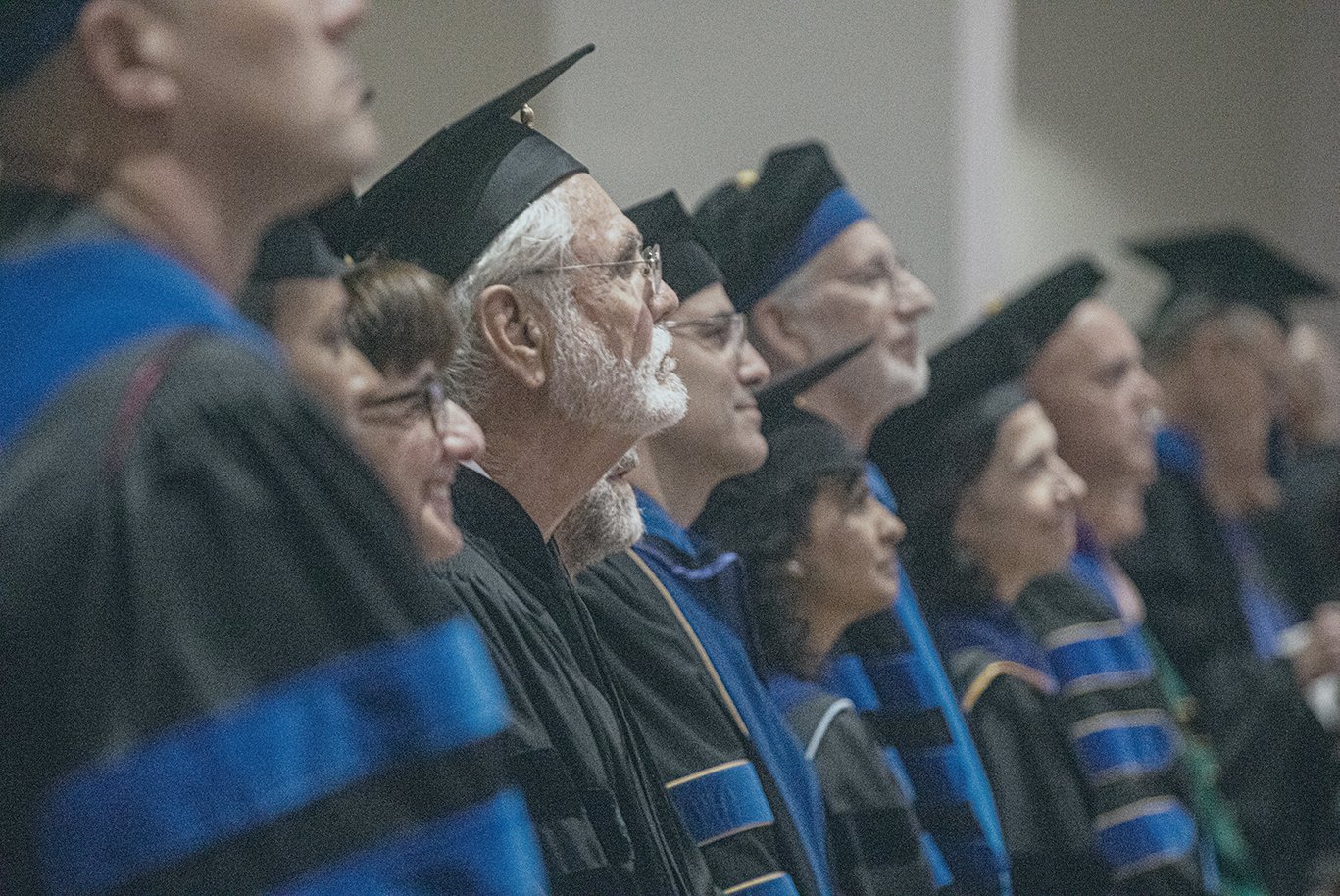
CENTER FACULTY
EXPERTS IN EDUCATION
AND RESEARCH