
Perkison Joins the ACOEM Board of Directors
Published: October 7, 2026
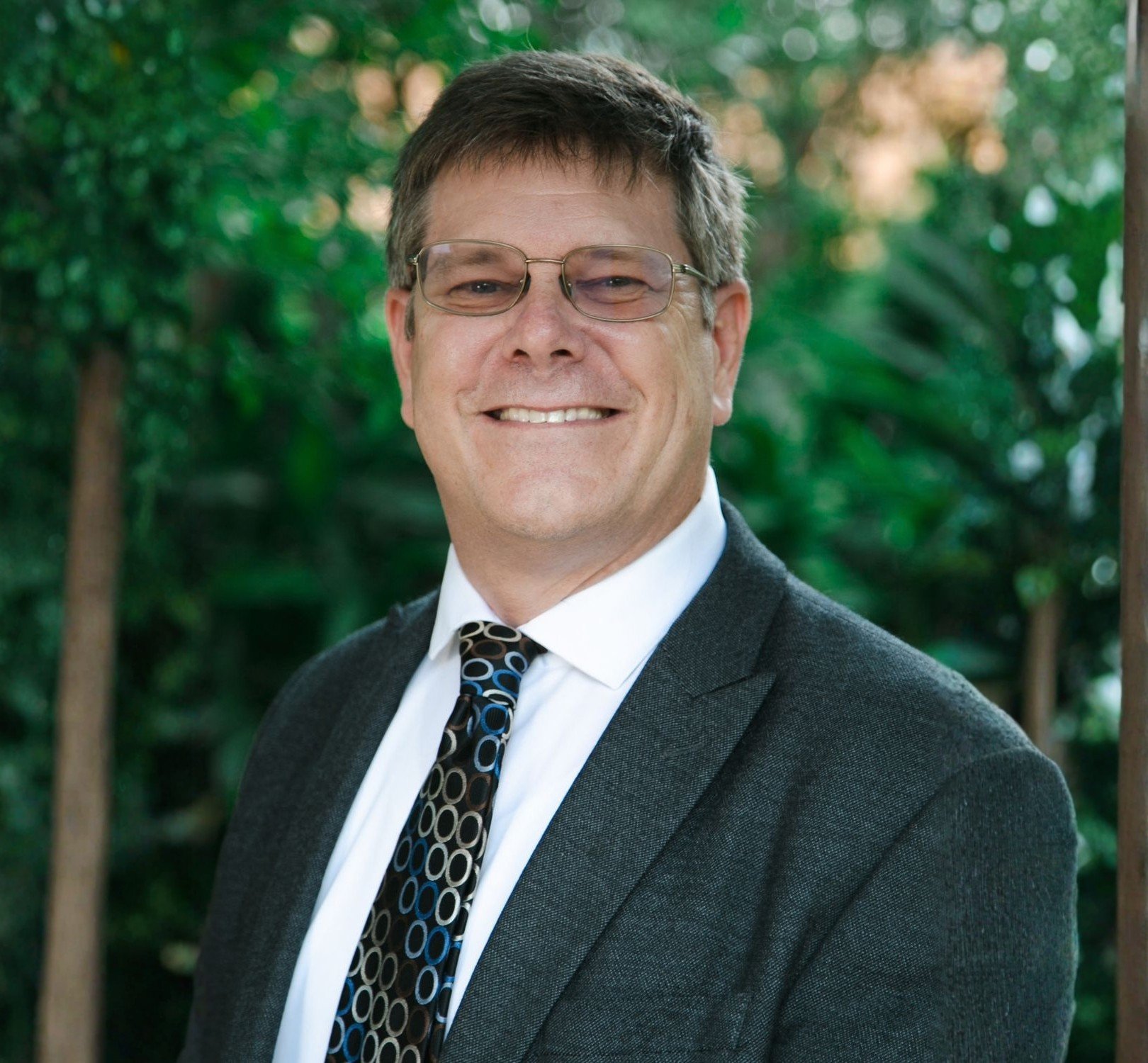
William “Brett” Perkison, MD, MPH, FACOEM, has been elected to the Board of Directors of the American College of Occupational and Environmental Medicine (ACOEM). He brings more than two decades of leadership experience spanning clinical practice, industry, and academia.
Throughout his career, Perkison has made significant contributions to ACOEM through policy development, scientific and governmental affairs initiatives, and leadership roles at both the state and national levels. His election reflects the confidence of ACOEM members in his ability to help address critical challenges facing the specialty, including workforce shortages, residency training funding, and the evolving health and safety needs of workers across the country.
Perkison’s appointment also highlights the important work being done at UTHealth Houston School of Public Health Southwest Center for Occupational and Environmental Health to advance the field of occupational medicine. As director of the Occupational and Environmental Medicine (OEM) Residency Program, he has expanded training opportunities, secured innovative funding mechanisms, and championed the specialty to future physicians. His expertise in heat stress, climate and worker health, disaster preparedness, and workforce development also align closely with ACOEM’s strategic priorities.
This role will shape ACOEM’s direction and advocate for initiatives that strengthen the occupational and environmental medicine workforce. As workplaces and health risks continue to evolve, occupational medicine physicians play a critical role in promoting worker health and respond to emerging challenges. Through his expertise in clinical, academic, and industry sectors, Perkison is uniquely positioned to lead this organization.
“I am excited for the opportunity to give back to an organization that has been so instrumental in my professional growth and career success,” said Perkison. “Increasing the number of residents entering the field of occupational and environmental medicine is critically important at this time. Our work here at the School of Public Health has served as an incubator for innovative approaches to expanding occupational medicine training programs nationally.”

The Southwest Center for Occupational and Environmental Health is part of the UTHealth Houston School of Public Health